jueves, 28 de abril de 2016

THE ALCOHOLISM


Alcoholism is a disease characterized by the habitual intake of alcohol. The definition of alcoholism is chronic alcohol use to the degree that it interferes with physical or mental health, or with normal social or work behavior.

Alcoholism is a disease that produces both physical and psychological addiction. 
Alcoholism is a disease that damages the brain, liver, heart, and other organs (short-term, long-term effects of alcohol).

we need totake care about all that we drink, bease it could affect our lifes forever!!!


jueves, 7 de abril de 2016

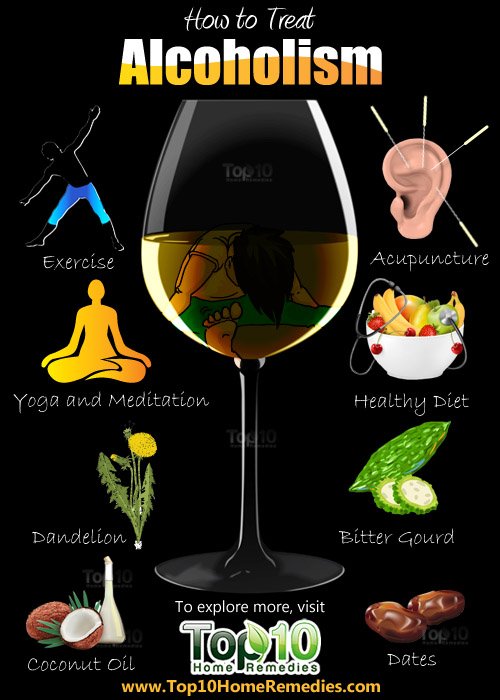
HOW ALCOHOLISM IS TREATED

Treatment for alcoholism varies, but each method is meant to help you stop drinking altogether (abstinence). Treatment may occur in stages and can include the following:
  • detoxification or withdrawal to rid your body of alcohol
  • rehabilitation to learn new coping skills and behaviors
  • counseling to address emotional problems that may cause you to drink
  • support groups, including 12-step programs such as Alcoholics Anonymous (AA)
  • medical treatment for health problems associated with alcoholism
  • medications to help control addiction
There are a couple of different medications that may help with alcoholism:
       Disulfiram 
     Acamprosate 
     Disulfiram

WHAT CAUSES ALCOHOLISM

Alcohol dependency develops when you drink so much that chemical changes in the brain occur.These changes increase the pleasurable feelings you get when you drink alcohol, which makes you want to drink more often, even if it causes harm.
Although the exact cause of alcoholism is unknown, there are certain factors that may increase your risk for developing this disease. 
Known risk factors for alcoholism include having:
  • more than 15 drinks per week if you’re male.
  • more than 12 drinks per week if you’re female.
  • more than five drinks per day at least once a week (binge drinking).
  • a parent with alcoholism.
  • a mental health problem, such as depression, anxiety, or schizophrenia.
You may also be at a greater risk for alcoholism if you:
  • are a young adult experiencing peer pressure.
  • have low self-esteem.
  • experience a high level of stress.
  • live in a family or culture where alcohol use is common and accepted.
  • have a close relative with alcohol use disorder.

HOW TO DETECT THE ALCOHOLISM

step 1- 

people don't stay in a limit of consumed.

step 2-

Consider the cantity of alcohol consumed, normally they drink more than five times.”the compulsion to finish every drink is a red flag”.


step 3-

Using alcohol as a mood answer,its common in the alcoholist people.


step 4-

Think about the guilt,if any associated with drinking: promises that cut down,lies told about the amount of consumed or abut drinking all together.

step 5-

Measure tolerance for alcohol,being able to consume a lot of liquor without few sings of intoxications, its a sing of addiction.

step 6-

Being a fool drinking out in the work , causing big catastrophic problems At the moment of going at home.

step 7-

If you see thes 6 steps in yourself or someone else call to th national alcohol treatment at:
 1-800-662-HELP(4357)